
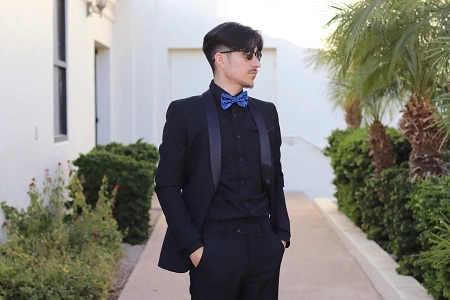
The Prom 2026 Trends show a clear shift in how students approach formalwear, introducing stricter direction across color choices, silhouettes, and fit expectations. Schools expect cleaner presentation, and students want suits that hold their structure through the entire evening.
Ready-made suits now offer stronger lines, better shoulder construction, and more predictable tailoring results. Understanding what is actually showing up in stores, instead of what circulates in social media trends, helps students secure sharp and reliable looks before inventory tightens.
2026 Color Direction: Clean Saturation and Controlled Neutrals
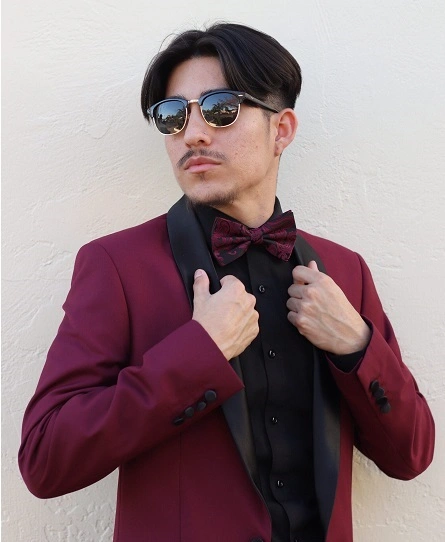
The strongest colors for 2026 are navy, forest green, maroon, charcoal, and black . These shades maintain stability under indoor lighting and pair cleanly with standard footwear and shirt options. Navy remains the most dependable because it supports nearly every tie color and handles tailoring adjustments without disrupting the silhouette.
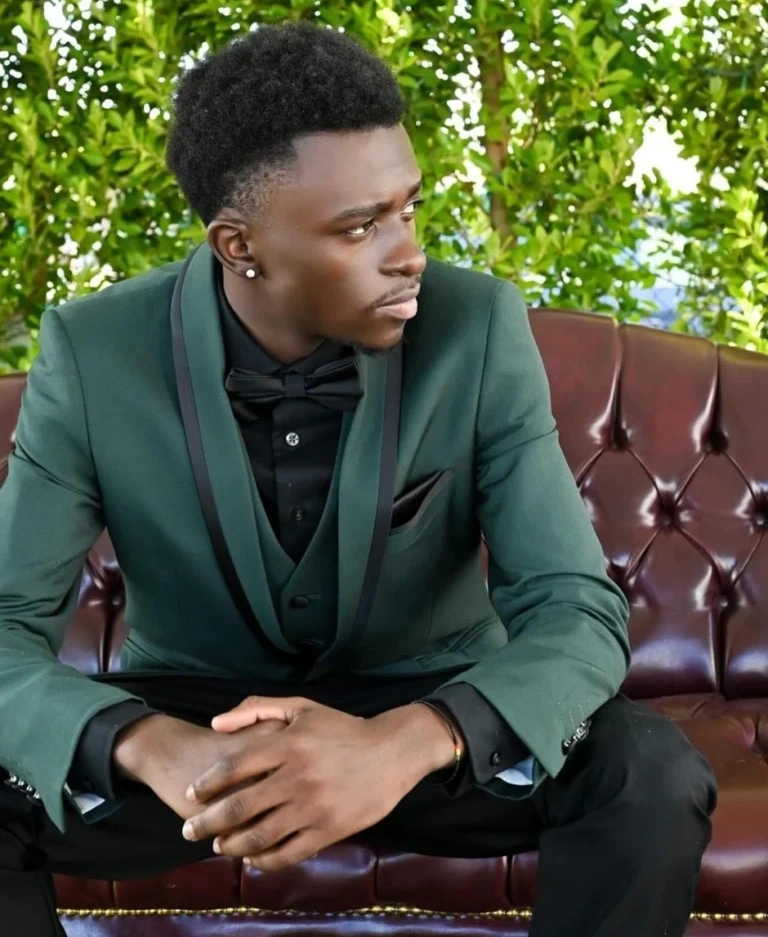
Forest green continues to grow because it offers distinction without drifting into excessive boldness. Maroon delivers similar clarity and remains photographically consistent under flash lighting. Charcoal and black stay in high demand and typically sell out first in common sizes such as 36R through 42R. These colors work on nearly every frame and require minimal coordination effort.
Light grey appears in smaller runs and requires a tighter approach to tapering. Without controlled shaping in the seat and thigh, the lighter tone can collapse visually. This year’s color direction matters because it supports realistic tailoring, cleaner photographs, and easier matching with a date’s outfit without forcing exact color duplication.
Styles and Silhouettes Leading 2026
Two-button suits with moderate notch lapels remain the foundation. They adapt to most body types and allow straightforward adjustments to sleeves, hems, and waist shaping. Students who want a more defined look shift toward peak lapels, especially in navy and black. Peak lapels provide stronger lines across the chest and maintain shape in formal group photos.
Slim-fit suits no longer dominate. Tailored-fit silhouettes now lead because they allow movement and maintain drape throughout the evening. Aggressive slim fits tend to pull at the midsection and restrict the seat. A tailored fit supports natural movement while still enabling controlled tapering.
Matte finishes outperform shiny options. Shiny fabrics create glare, show creases quickly, and highlight tension points. A matte finish delivers consistent lines and holds structure during extended wear. Slight stretch blends appear in ready-made inventories, but the suit must still maintain firmness at the shoulder and chest to avoid collapsing during movement.
Fit and Footwear Standards
Shoulder accuracy determines the success of the entire suit. The seam must align with the edge of the shoulder. Overextended shoulders add bulk and cause sleeve rippling. Narrow shoulders restrict movement and distort the chest line.
Sleeves should meet the wrist bone with a small amount of shirt cuff visible. Short sleeves disrupt the jacket balance, while long sleeves hide cuff details and dull the sharpness of the silhouette. Trousers require a balanced taper from knee to ankle. Students often request extremely tight tapers, which lead to seam stress and restricted stride. A controlled taper maintains shape and supports a clean hem. Hem length should sit at a slight break. Too short exposes the sock line in motion. Too long collapses over the shoe and hides the taper.
Collar gap is a frequent issue at prom fittings. The jacket collar must sit close to the shirt collar. If it lifts, the cause is usually posture or shoulder slope mismatch. Minor corrections are possible, but significant gaps usually require selecting a different jacket.
Vents must lay flat. Flaring indicates tension in the seat or incorrect alignment through the hips.
Footwear determines the final line of the suit. Black lace-up dress shoes produce the most consistent result with navy, charcoal, black, and maroon. Brown works only with mid-tone suits. Pairing brown with darker shades interrupts contrast and weakens the silhouette. Shoes must be clean and structured. Creased or worn shoes undermine otherwise strong tailoring.
Critical Mistakes to Avoid in Prom 2026 Trends
Undertone mismatch is the most common coordination error. Students often attempt to match colors directly with a date’s dress, but matching undertones such as cool with cool or warm with warm produces far better results.
Shiny fabrics remain a risk. They look appealing on the hanger but become harsh under event lighting and amplify wrinkles.
Overly slim rentals continue to create fit issues. Rentals often prioritize narrow cuts that look sharp on display but pull when worn. Ready-made tailored fits offer smoother drape and more reliable shaping.
Footwear mistakes are widespread. Worn shoes flatten the look immediately. Shirt collar selection affects the final balance as well. A spread collar supports a variety of tie knots and sits cleanly under a structured jacket.
Tie width must match the lapel. A thin tie on a standard lapel looks underscaled. A wide tie on a narrow lapel overwhelms the proportions.
Late shopping leads to limited color and size availability. Once core sizes begin to sell out, students lose access to ideal fits and are forced into compromises.
Final Takeaways on Prom 2026 Trends
Overall, the Prom 2026 Trends focus on stable colors, structured silhouettes, and realistic tailoring choices. Students who plan early secure cleaner fits, better proportions, and more consistent results in photographs. The strongest looks come from ready-made suits shaped with precise and practical adjustments rather than extreme trends that do not translate to real wear.
Van Allan’s Mens Fashion prepares for the season with ready-made suits across essential colors and the tailoring support required to refine sleeves, hems, shaping, and overall balance. Early selection ensures availability and allows time for measured adjustments during the fitting process.
For standard adjustments, our in-house team ensures a perfect fit. However, if the work on a suit is more complex, we refer you to Precision Alterations, our sister company located right here in the same building, to guarantee expert craftsmanship.